

Technical Development and Corrections in The Triple Jump
With Boo Schexnayder

A practical framework for teaching, analyzing, and correcting triple jump technique — from foundational bounding skills to advanced phase-specific corrections — taught by the coach of 16 individual NCAA triple jump champions
November 3, 2027
7-10 PM ET
Online
OR BUNDLE with Schexnayder’s course, 116. Triple Jump: Technique and Teaching, at a discounted price. Get the Bundle Here.
Workshop Itinerary
01
Technical Analysis of the Triple Jump
✓ Approach Mechanics
✓ Postural, Contact, and Swinging Skills
✓ First Phase LImb Exchange Patterns
02
Teaching Progressions for Bounding Skills
✓Using Vertical Work to Engage Posture
✓ Cuing Hopping and Bounding Skills in Horizontal Work
✓ Blending Horizontal and Vertical Components
03
Triple Jump Teaching Progressions
✓ Run to Jump Transition Strategies
✓ Run to Jump Technical Issues and Cuing
✓ Rhythm and Velocity Management
04
Error Corrections in Triple Jumping and Fixing the Second Phase
✓ Why it’s So Hard
✓ Pelvic Alignment and Step Phase Quality
✓ Maintaining Pelvic Balance
✓ Backtracking to Common Trouble Spots
05
Current Styles and Trends in the Triple Jump
✓ Limb Dominance and Choosing the Jumping Leg
✓ Commonalities, Techniques, and Fads
✓ Arm Styles and Swinging Segment Styles
Optional Course Add-On
Supplement the workshop with Boo Schexnayder’s online, self-paced course at a discounted rate when you bundle.
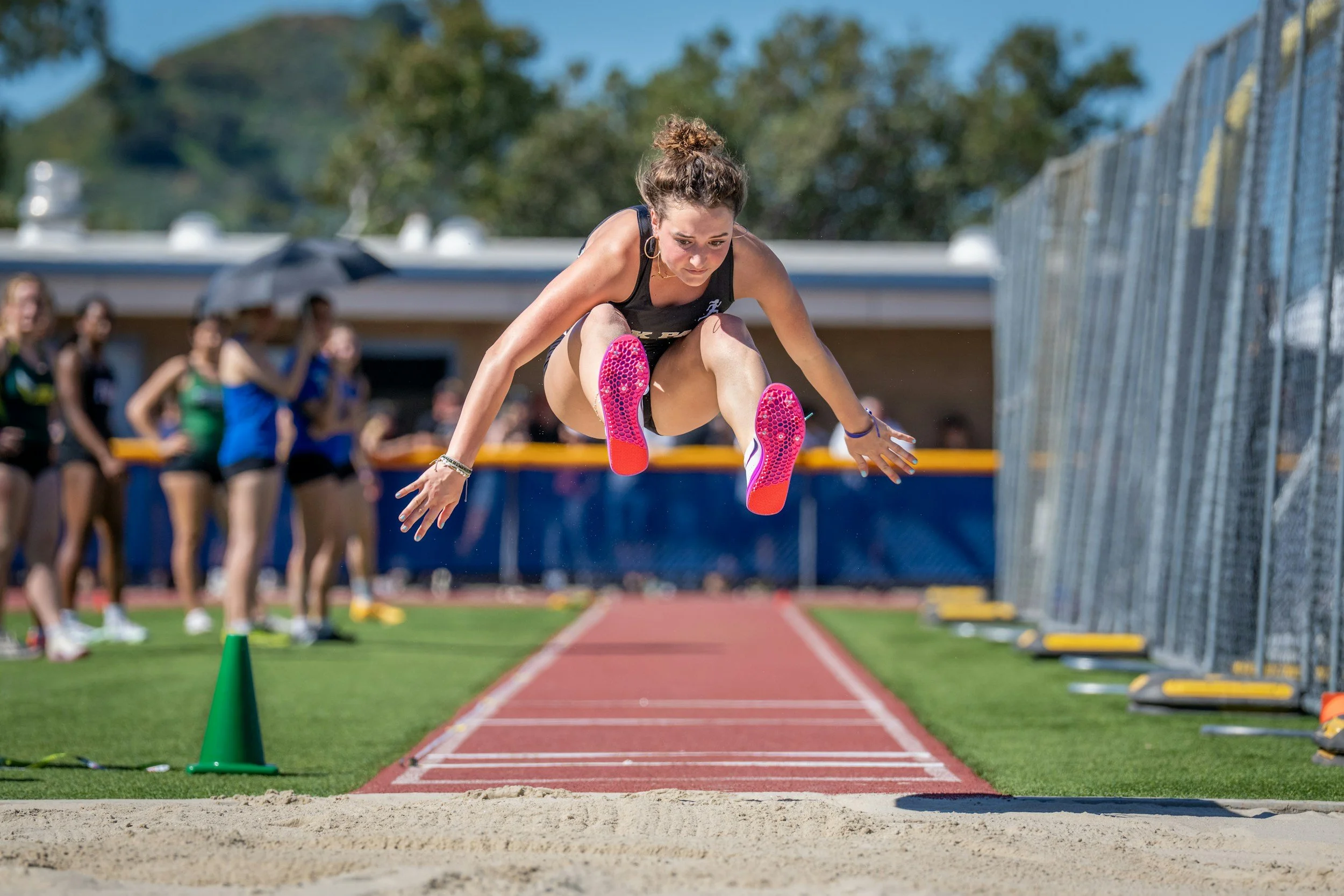
116. Triple Jump: Technique and Teaching
Save on technique and teaching courses for both long jump and triple jump, bundled together to build a complete approach to coaching the horizontal jumps
Meet Your Instructor
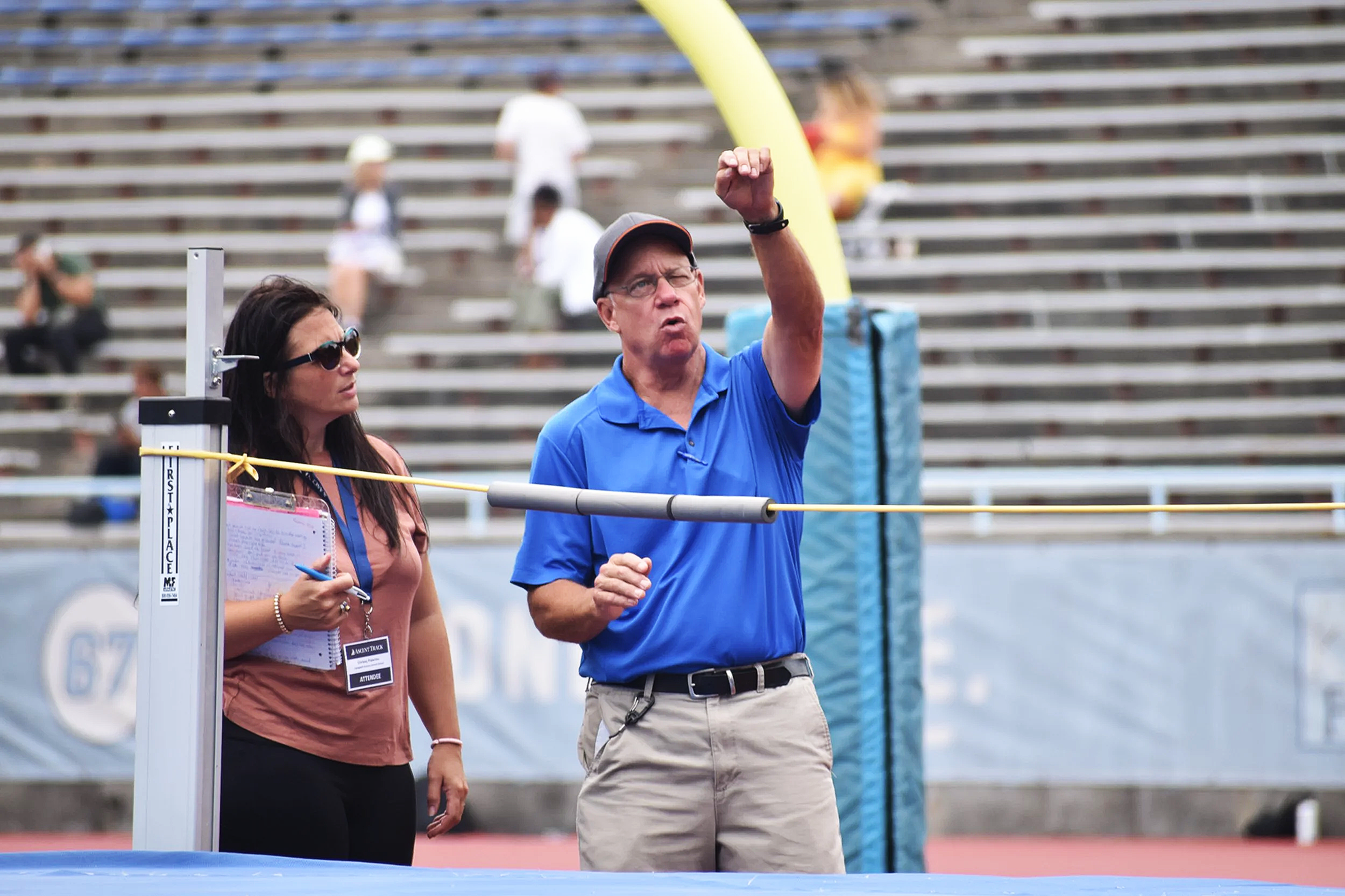
Boo Schexnayder
Irving “Boo” Schexnayder is regarded as one of the world’s leading authorities in training design. Over his 40-year career, Schexnayder has been part of 13 NCAA Championship teams and coached 26 individual NCAA Champions (16 triple jump champions), 18 Olympians, and 7 World Championship medalists.
Save your spot:
Frequently Asked Questions
Still have questions? Contact us.
-
The workshop will be recorded for all attendees, to be used for reference purposes. Any Ascent Track Workshop content, including but not limited to audio, video, slides, and any associated materials, is subject to copyright and intellectual property rights held by Ascent Track and its authorized licensors. Any unauthorized distribution, reproduction, or dissemination of workshop content, in violation of this prohibition, may result in legal action being taken against the authorized party.
-
We have no plans to do so— though we do plan to run this workshop again for those who cannot make the date.
-
No— but there are discounts available. Sign up for our mailing list for promotion codes and to keep up to date with all the latest Ascent Track offerings. Email info@ascenttrackclinics.com about program rates (3+ people).
-
The workshop is three hours long, including a Q&A section at the end and a break or two in the middle.
-
Success in the triple jump depends on more than speed and power—it requires precise technical execution across every phase of the jump. Yet many coaches struggle to identify the root causes of technical problems or know how to systematically develop athletes from beginner to advanced levels. This workshop is designed to bridge that gap.
Over three hours, Boo Schexnayder will break down the event using the same principles that have influenced coaches around the world. You'll learn how to analyze triple jump technique, build the essential bounding skills that underpin successful jumping, and implement proven teaching progressions that accelerate technical development. Boo will also address one of the most common challenges in the event—fixing problems in the second phase—and explain the error correction strategies he uses to produce more efficient, consistent jumpers.
The workshop concludes with a discussion of current technical models, coaching philosophies, and emerging trends in the triple jump, helping you understand not only how elite athletes jump today, but why those techniques continue to evolve. Whether you coach beginners or championship-level athletes, you'll leave with practical tools you can apply immediately in training.